An E. coli outbreak in Europe has claimed at least 35 lives and left many more facing long-term health complications. It has also triggered an economic crisis for growers across the region, who have lost more than half a billion euros due to slumping prices, weak demand and the destruction of unsold produce.
After authorities initially blamed salad vegetables before identifying bean sprouts from northern Germany as the likely source, farmers say the damage to consumer confidence has already been done.
PLAY AUDIO:
Audio Script:
And now to Europe, where at least 35 people have died from an outbreak of E. coli.
As the death toll has mounted and more will likely endure lifelong complications from the infection, the agricultural industry has also been hard hit.
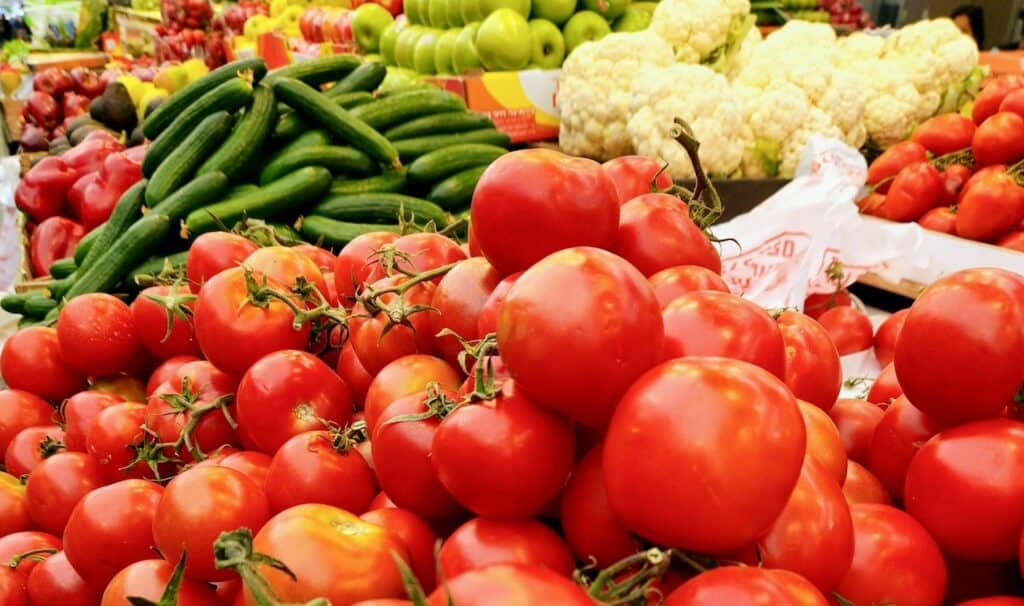
In the rush to identify the source of the deadly E. coli contamination, authorities initially blamed cucumbers, tomatoes and leafy salads.
That warning has now been lifted, with investigators pointing instead to bean sprouts from a farm in northern Germany. But for many growers, the damage has already been done.
Nicky Redl reports from northwest Germany.
(sound of a bustling outdoor market)
NICKY REDL: It’s a busy day on the markets in Münster, in the German state of North Rhine-Westphalia. After weeks of seeing rarely any tomatoes, cucumbers or salads in supermarket shelves because no one would buy them, today, there are plenty on sale again. But consumer confidence takes time to recover. Over the last few weeks, many people have decided to be rather safe than sorry.
BEN UBEN: My name is Ben Uben and I’m from Münster, Germany. So, we stopped eating cucumbers and tomatoes like they suggested. The good thing is we have salads in our yards. We grow salads ourselves, so that’s a good thing.
TRISTAN: I’m Tristan, I’m from Münster.
NICKY REDL: Have you changed your eating habits?
TRISTAN: Oh, yeah, I did, because I don’t eat tomatoes or salad now. Sometimes I go to the market here and then I ask, where are these salads from? Yeah. And if I know that, I eat that, but at the restaurant or something – no.
NICKY REDL: One thing the warnings have done is increase trust in local produce. At least some farmers selling predominantly on local markets, say their business has been up because people have faith in their production techniques. But anyone who grows produce authorities have been warning about has been doing it tough.
SONIA: My name is Sonia and I’m working on the market on Saturdays.
NICKY REDL: So have you noticed that people have changed their habits or what they buy in the last few weeks since the E. coli alert came out?
SONIA: Yes, we we sell less than half of normal that we sell on a Saturday. And it’s a big decline for us.
NICKY REDL: Have you got any plans for the future, how you can deal better with these kind of situations?
SONIA: Yes. We made some testings, and now we have some sheets on each vegetable, like salads or tomatoes, where it is written that it’s not with E. coli. And I think that’s, that’s good for the people that they see this, that we test the vegetables.
NICKY REDL: Farming organizations say the E. coli crisis has cost farmers across Europe more than half a billion euros. That’s about A$700 million, due to slumping prices, and because many farmers had to destroy produce they couldn’t sell. One of them is Hugo Rundenberg, tomato and salad grower near Münster.
Hugo Rundenberg: Hugo Rundenberg, Gärtnermeister in Gartenbau, Gemüsebau. Also, wir denken, dass wir so ungefähr… (continues in German)
NICKY REDL: He says supermarket chains stopped buying as soon as the E. coli warnings were out in mid-May. He says he had to shred his salad and couldn’t offer his staff much work, and that in what’s usually his busiest season. He says every day he’s been losing more than $3,000. That’s half of what his business usually makes. And despite the warnings being lifted now, he expects consumer demand to pick up only slowly because once people are worried about a product, regaining trust takes time.
The European Union is planning to offer financial support for farmers, but Mr. Rundenberg says he hasn’t seen anything yet and if his business survives, remains to be seen. All he can do is hope for the best.
Nicky Redl, ABC Rural, Münster.
Broadcast on ABC Radio in June, 2011.